Costs and savings
How much does a home solar system cost?
Prices vary widely by country. In the United States, home systems commonly quote between about $2.50 and $3.50 per watt before incentives, so a 7 kW system might cost around $17,500 to $24,500. In much of Latin America prices per watt are lower, but so are electricity prices in some countries. Use the calculator with prices from your own quotes.
How long until it pays for itself?
Payback depends on your electricity price, sunshine, system cost and how exports are credited. It can be under five years on islands with expensive diesel power and over fifteen years where power is cheap. The calculator shows a simple payback for your numbers.
Does solar raise my home’s value?
Several studies in the United States have found that owned solar systems tend to add value at sale. Leased systems can complicate a sale because the buyer must take over the contract.
Technology
Do panels work on cloudy days or in cold places?
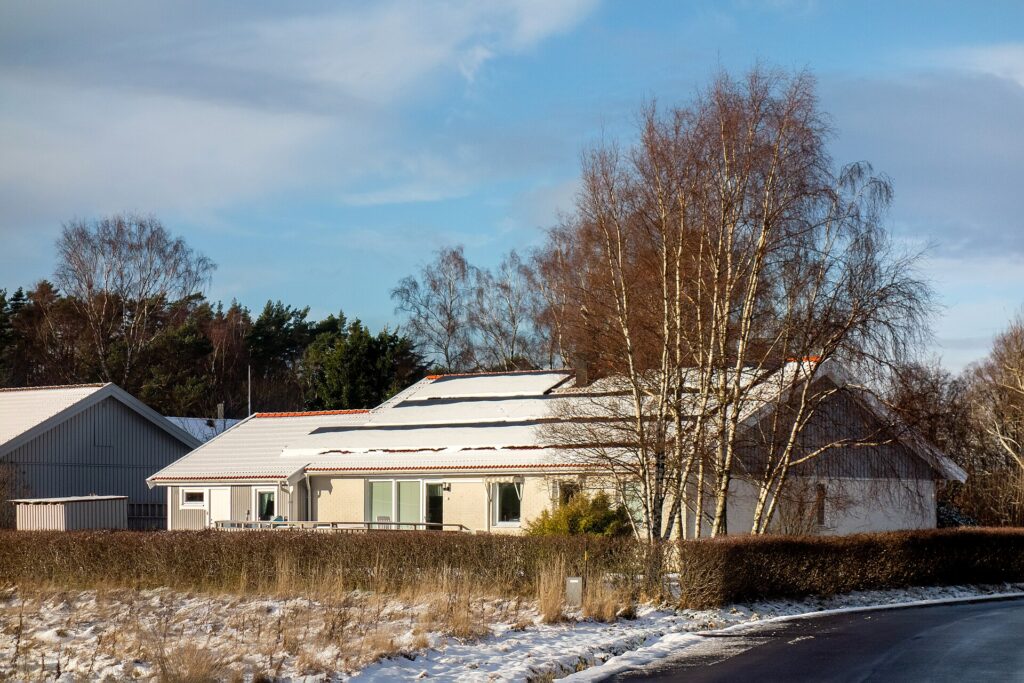
Yes. They produce less under clouds, but cold actually improves panel efficiency. Canada and southern Chile have many working systems. Snow slides off tilted panels fairly quickly.
How long do panels last?
Most carry 25 to 30 year warranties and keep working well beyond that at slightly reduced output.
Will my solar work in a power outage?
Only if you have a battery or an inverter with a backup outlet. Standard grid tied systems shut off automatically so they do not endanger line workers.
Can panels survive hurricanes and hail?
Panels are tested for hail and wind. Many systems in Puerto Rico and Florida survived major hurricanes when installed with proper racking and attachment. Ask for equipment rated for your local wind speeds and check that your home insurance covers the system.
Batteries
Do I need a battery?
Not always. A battery makes sense if outages are common, your utility pays little for exports, you are on time of use rates, or you live off grid. See Batteries.
Are home batteries safe?
Modern lithium iron phosphate (LFP) batteries are very stable. Install only certified equipment (for example UL 9540 listed in North America), follow the manufacturer’s clearances and use a qualified installer.
Rules and money
What is net metering?
A billing rule where each kWh you export offsets a kWh you buy later. Many places are moving to net billing, where exports earn less than retail. Check the incentives page for your area.
Is there still a federal solar tax credit in the United States?
Homeowners who buy a system installed in 2026 or later cannot claim the federal 30 percent credit, which ended after December 31, 2025. Businesses and companies that lease systems to homeowners can still claim a credit within new deadlines. State incentives continue in many states.
I rent. Can I still use solar?
Yes. Look for community solar subscriptions, plug in balcony solar where local rules allow it, or portable solar generators for backup.
Environment
Do panels take more energy to make than they produce?
No. Modern panels typically repay the energy used to make them in about one to three years, then produce clean power for decades. See Solar vs Other Energy Sources.
Can solar panels be recycled?
Yes. Glass, aluminum and copper, which make up most of a panel’s weight, can be recovered, and dedicated recyclers are growing across North and South America. Ask your installer how they handle old panels.
Discuss this topic
Have a question, a correction, or real world experience to share? Start the conversation below. Replies are reviewed before they appear.